Introduction
When preparation your next experience-- be it a tranquil outdoor camping trip, exhilarating wilderness walking, or a leisurely nature walk-- it's important to consider the weather. Weather condition can dramatically affect not only your comfort but likewise your security and total experience during outdoor activities. Comprehending different weather, preparing for them, and understanding how they impact your outside plans are essential for any explorer. This article dives into the crucial weather considerations you should bear in mind before embarking on your next journey. We'll check out everything from temperature level fluctuations to unexpected storms, and how to prepare accordingly.
Why Weather condition Matters in Outdoor Adventures
Before we dig deeper into specific weather condition factors to consider, let's discuss why comprehending the weather condition is vital for outdoor enthusiasts.
Safety First: Extreme temperatures or unforeseen storms can put your safety at risk. Comfort Levels: Knowing what to anticipate allows you to pack proper clothing and gear. Planning Activities: Particular trails might be inaccessible throughout rainy seasons or winter season months. Wildlife Observation: Different animals are active in varying weather; knowing this can improve your experience.Now that we have actually established the value of thinking about the weather condition, let's dive into some specific aspects you must keep in mind.
Weather Factors to consider You Must Bear In Mind Before Your Next Trip!
Understanding Temperature level Variability
What temperature level variety is safe for camping?
Temperature plays a critical role in planning any outside activity. A lot of campers choose mild conditions (50 ° F- 70 ° F )for comfort. However, temperature levels can drop considerably during the night, especially in mountainous areas. It's a good idea to examine both daytime highs and nighttime lows when planning your trip.
Key Points:
- Pack layers of clothes: A base layer, insulating layer, and waterproof external layer will help you adapt. Invest in quality sleeping gear: Guarantee your sleeping bag is ranked for lower temperatures if you're camping in cooler climates.
Precipitation Patterns: Rain or Shine?
How does rainfall impact treking and camping?
Rain can turn a delightful hike into a soaked experience. It's crucial to examine local forecasts before going out:
- Light Rain: Can be refreshing however may develop slippery routes; consider water resistant footwear. Heavy Rain: Can result in flash floods; avoid low-lying areas and always have an exit plan.
Camping Tips:
- Bring a water resistant camping tent or innovative hot camping tents designed for damp conditions. Don't forget about campfire security-- damp wood makes it challenging to start fires.
Wind Speed and Its Influence On Outdoor Plans
Why ought to wind speed matter when camping?
Wind can considerably affect temperature level perception (wind chill), especially at greater elevations. Evaluating wind speed assists determine if you'll require additional insulation or if it's safe to establish camp.
Recommendations:
- Avoid establishing camp in open areas exposed to high winds. If windy conditions are forecasted, safe tents appropriately with stakes and guylines.
Dealing with Sun Exposure
What safety measures need to be taken versus sun exposure?
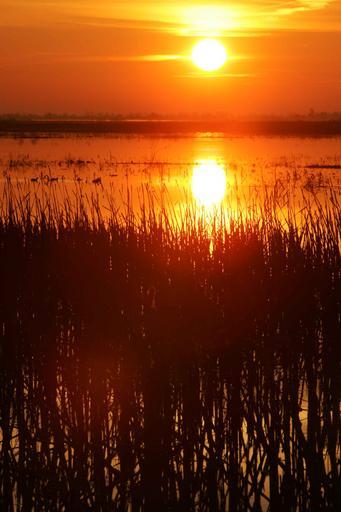
Sunny days can transform a pleasurable walking into an unsafe endeavor without correct preventative measures:
Sunscreen Application: Choose a broad-spectrum sunscreen with a minimum of SPF 30. Hydration: Carry lots of water; dehydration prevails on hot days. Clothing Options: Wear light-weight long sleeves and hats for protection.Outdoor Essentials:
- Sunglasses with UV protection are crucial for eye health during bright hikes.
Monitoring Storms: Getting ready for Abrupt Changes
How do you prepare for sudden storm changes while outdoors?
Weather can change rapidly, particularly in mountainous terrains. Here's how to prepare:
Check Forecasts Often: Use apps that provide real-time updates while hiking. Know Signs of Inbound Storms: Darkening skies or abrupt temperature drops signal possible storms.Survival Skills:
- Familiarize yourself with lightning safety procedures; look for shelter right away if thunderstorms arise.
Seasonal Modifications: Planning Around the Calendar
How do seasonal changes affect camping experiences?
Each season presents unique challenges and opportunities:
- Spring & Fall: Beautiful foliage but unpredictable rainstorms; pack water resistant gear. Summer: High temperatures necessitate hydration strategies; look out for heat fatigue signs.
Camping Offers:
Consider off-season outdoor camping deals which typically come with fewer crowds!
Altitude Impacts on Weather condition Conditions
How does altitude impact temperature level and weather condition patterns?
Higher elevations tend to have cooler temperatures even throughout summer season:
Prepare for quick temperature level drops as you ascend mountains. Be aware of possible altitude sickness signs-- listen to your body!Wildlife Behavior Influenced by Weather
What wildlife observations must I be aware of associated to weather?
Weather effects animal activity significantly:
- Animals tend to be more active before storms as they get ready for severe conditions.
Photography Insights:
Capture spectacular wildlife minutes by comprehending their habits patterns related to weather changes!
Eco-Friendly Outdoor camping Practices Based on Weather
How can I practice environmentally friendly camping according to the weather?
Understanding local ecosystems assists decrease ecological effect:
Avoid trampling delicate plants throughout wet conditions-- stick to designated trails! Dispose of waste properly; various areas might have varying guidelines based upon environment impacts.FAQs about Weather Considerations Before Your Next Trip
1. What must I do if my camping site gets flooded?
If flash flooding takes place, move instantly to greater ground and wait till it's safe before returning.
2. How do I prevent hypothermia while camping?
Layer clothing successfully, keep dry, and ensure you have sufficient sleeping equipment ranked for cold temperatures.
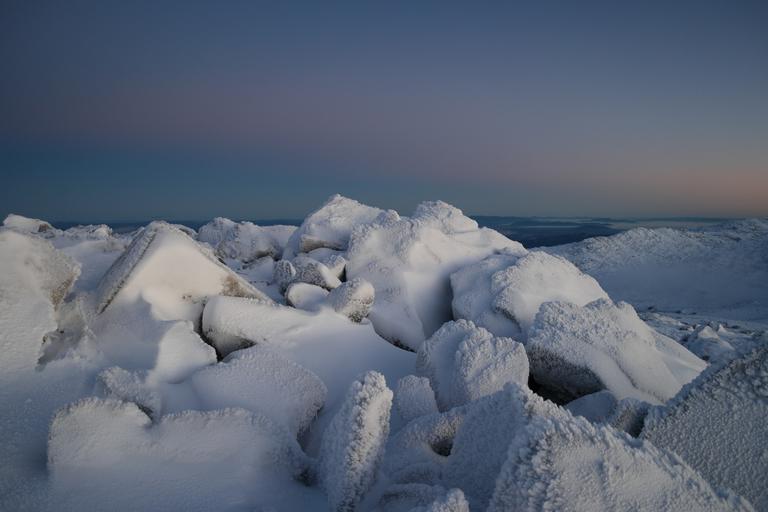
3. Is it safe to trek during a thunderstorm?
Hiking during thunderstorms is extremely discouraged due to lightning dangers-- look for shelter if one approaches!
4. What are some pointers for sun security while hiking?
Wear broad-spectrum sunscreen, long-sleeve shirts, hats, and sunglasses while remaining hydrated throughout the day.
5. How can I stay informed about altering climate condition during my trip?
Use mobile apps that offer real-time updates or bring boom boxes tuned into local stations.
6. What type of camping tent need to I utilize based on anticipated weather?
Choose four-season camping tents for severe weather; hot tents are perfect https://telegra.ph/Survival-Skills-Every-Camper-Should-Master-through-2025-12-05 for snowy environments supplying warmth without bulkiness.
Conclusion
In conclusion, comprehending weather considerations is vital before starting any outside adventure-- from family outdoor camping journeys filled with laughter around the campfire to solo travels checking out nature's surprise gems! By being prepared with knowledge about temperature level variations, precipitation patterns, wind speeds, sun exposure safeguards all contribute towards ensuring remarkable experiences without compromising safety or comfort levels! So as you plan your next exploration outdoors keep in mind these substantial elements-- they'll guide you through every adventure seamlessly! Happy exploring!